
March 2026 Edition: Cultivating Creativity, Community & Care
Dear friend,
“Diagnosis can change a life, but it doesn’t stop a life.”
— Laurie Waters, dementia advocate
“Dementia does enough to take well-being away
I will not be someone who contributes to your dismay.
I will help to preserve your autonomy as much as I can
Because I love you and I know—what you say should still stand.”
— from “Your Say Still Stands – A Response to Autonomy” by Mark Timmons
March brought with it a convergence of meaningful observances—Women’s History Month, National Social Work Month, and Brain Awareness Week—alongside the seasonal shift into spring for those of us in the Northern Hemisphere. For our DanceStream Projects team, it was a month rich with activity at the intersection of these moments. At the heart of it all was a shared intention: to honor those who have come before us, while embracing the roles we each play—whether center stage or behind the scenes—in supporting people navigating brain change with dignity, care, and belonging.
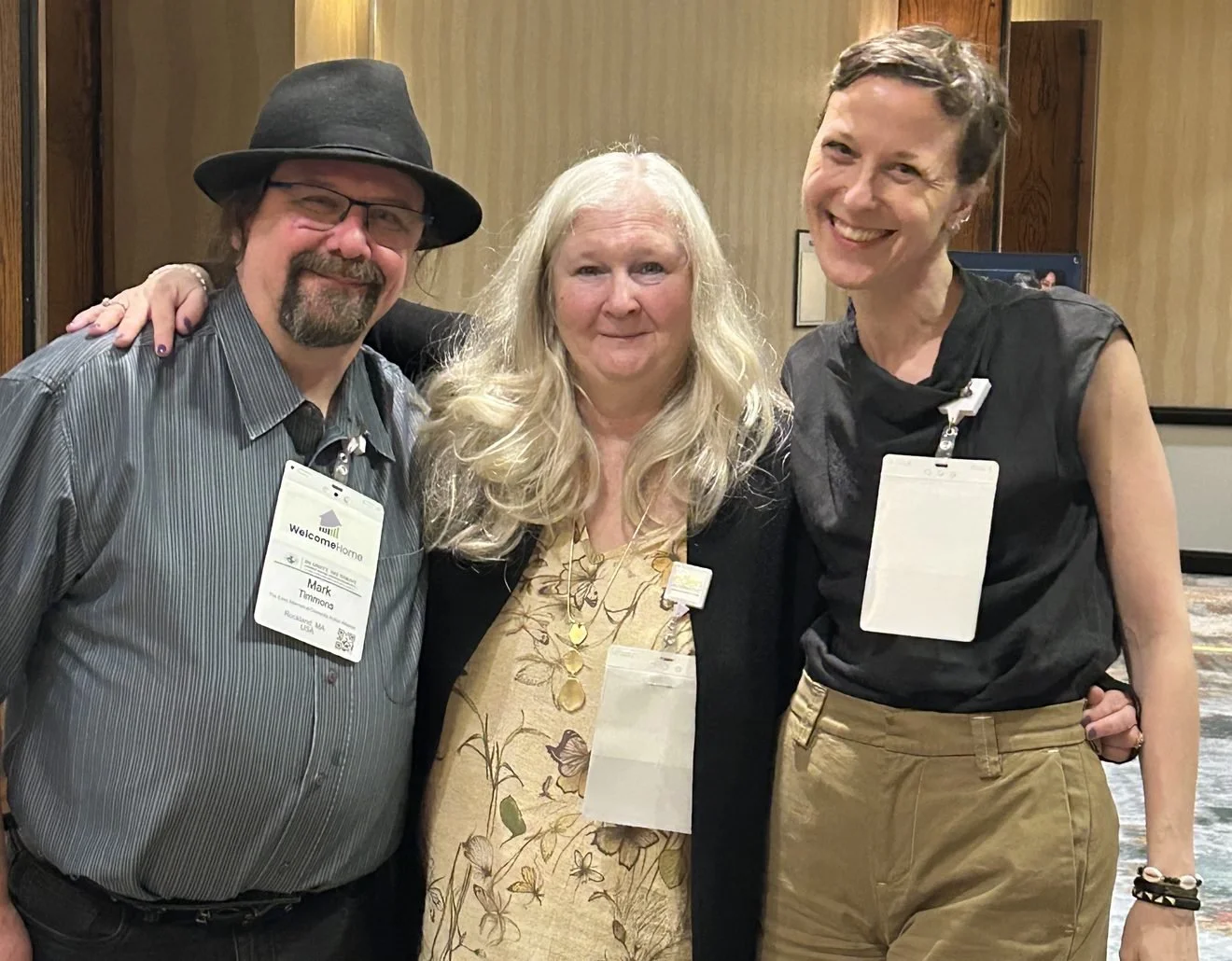
This month, we had the privilege of contributing to conversations at gatherings such as the The Eden Alternative 2026 International Conference and the Expose Dementia 2026 Conference, where the values reflected in these opening quotes resonated deeply. Across these spaces, a common thread emerged: that decisions impacting people living with dementia must include their voices; that brain change is not an ending, but the beginning of a new chapter; and that stronger, more compassionate communities are built when lived experience and evidence-based practice meet at the same table.
Here in New York City, through our partnerships with organizations including NYU Langone ADRC and Education Alliance, we celebrated the power of community—fostering shared language, deepening connections, and uplifting those working every day to expand access to care and resources that support brain health and well-being across the lifespan.
We also continued these conversations through new episodes of Dancing into Brain Health, including a moving dialogue with filmmaker Michelle Memran and an upcoming conversation with Dr. Bruce Miller and Jake Broder, each exploring how storytelling, science, and the arts can come together to reshape how we understand and experience brain change.
As you explore this month’s newsletter, we invite you to engage not only with emerging research, but with the voices of those whose lived experiences bring that research to life. As Laurie Waters shared during her presentation at the Eden Alternative Conference: “Science gives us data, lived experience gives it meaning. Bridging the two is where understanding and hope is born.”
And as always, we invite you to spark your own brain health and build tools that bridge science and the arts through our online and in-person programs. We can’t wait to dance with you.
In solidarity,
