
Dancing into Brain Health (S1 Ep10): Dancing Through The Senses
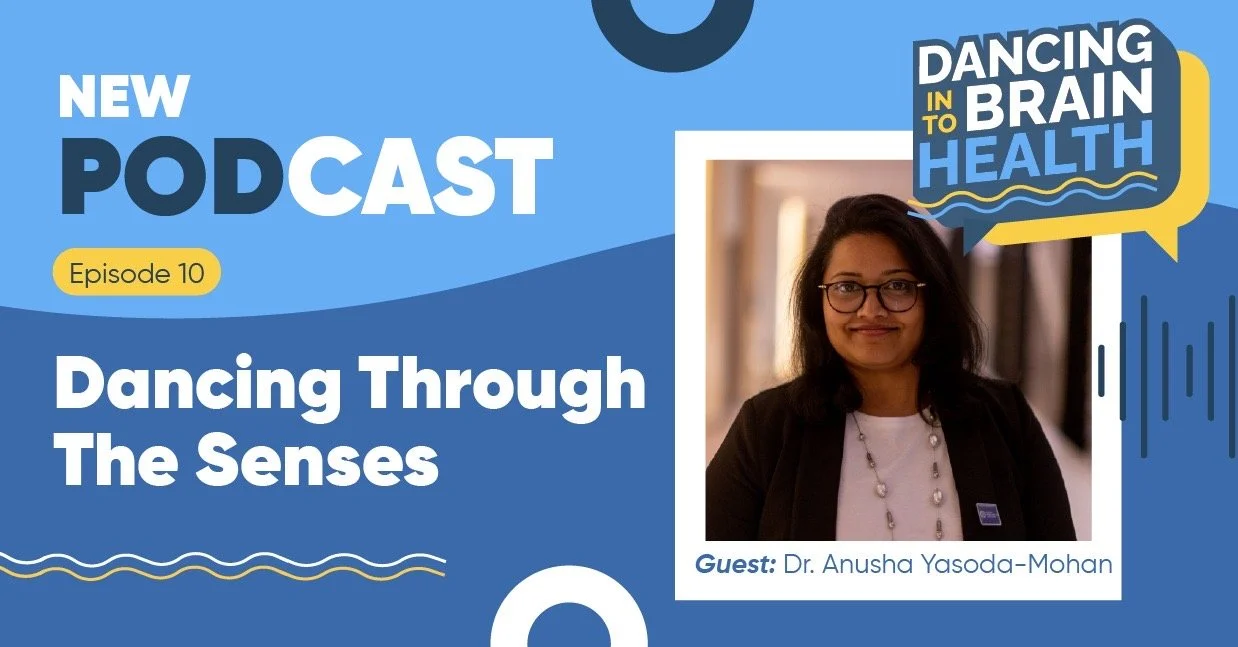
Our senses are one of the primary ways in which we encounter, interact with and make sense of the world around us. But what happens when our sensory perception begins to disintegrate and transform? And how might engaging through the arts help us heal and better understand these conditions?
Our guest on the Dancing into Brain Health Podcast is Dr. Anusha Yasoda-Mohan, a perceptual neuroscientist whose work illuminates the ways our sensory perception influences our brain health and how using the arts may build pathways toward healing for those living with neurodegenerative conditions.
Here is a highlight from the episode:
“I would love to see a world where it’s not arts and health, that they are not two different things, it’s just something that everybody does in their everyday life.
It’s like brushing your teeth that you read poetry or it’s like taking a shower … it’s as ingrained as some of these life maintenance things.”
Check out this episode to learn more about Dr. Yasoda-Mohan’s work on the mechanisms behind how sensory perception influences our brain health.
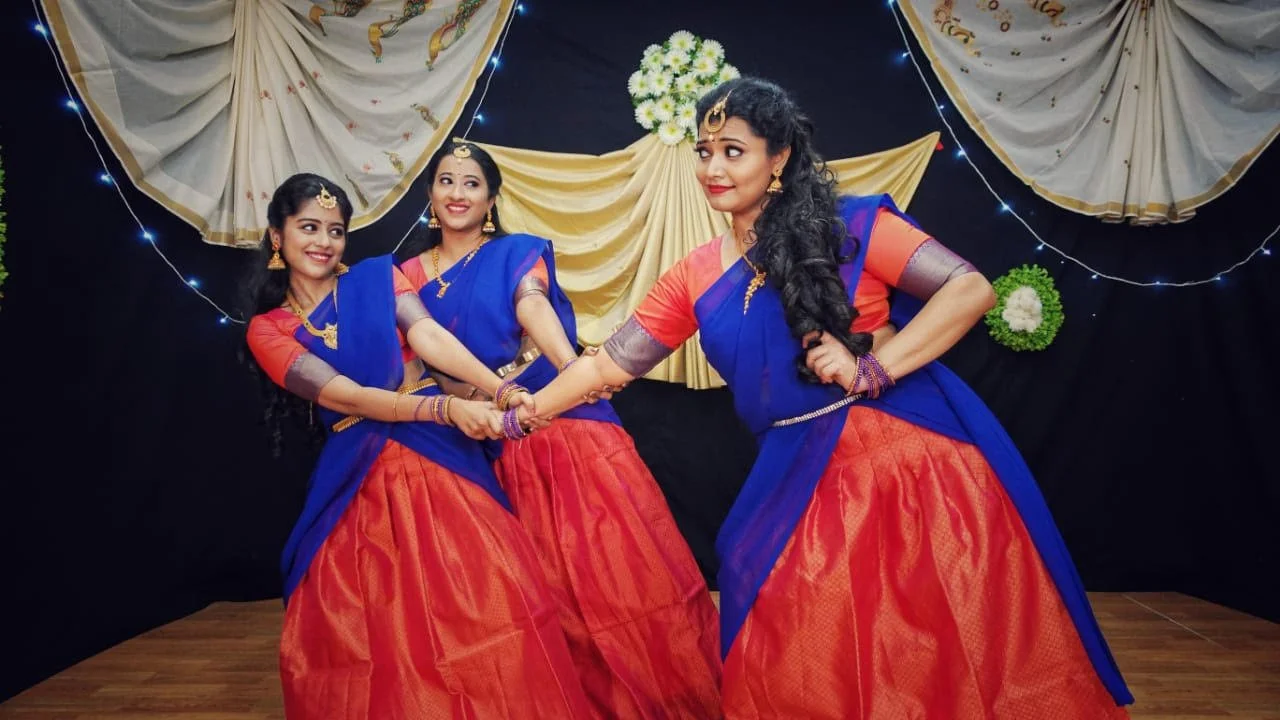
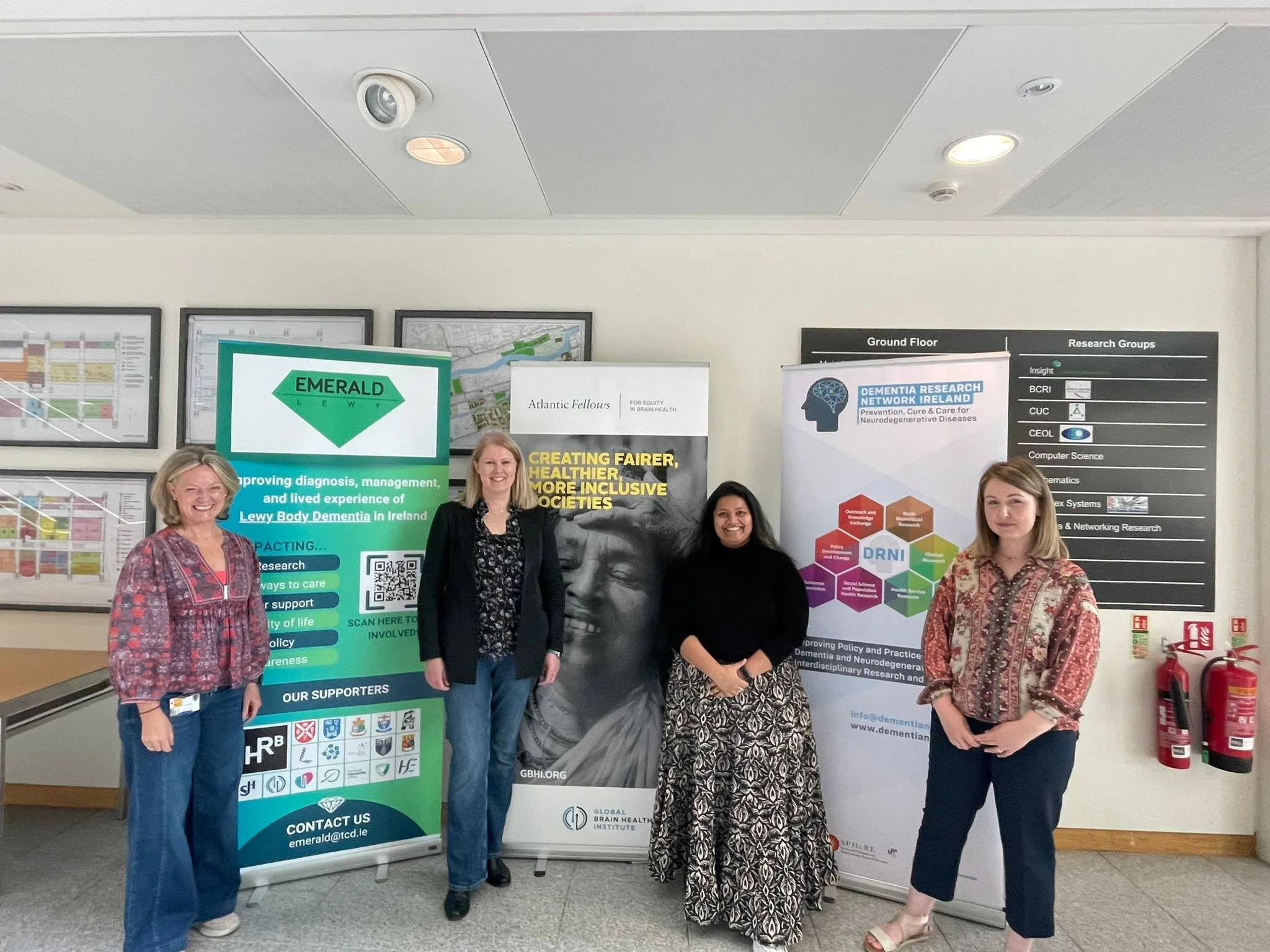
To learn more about Dr. Anusha Yasoda-Mohan here: https://www.gbhi.org/profiles/anusha-mohan and https://www.linkedin.com/in/anusha-yasoda-mohan-a397363a/
Read more:
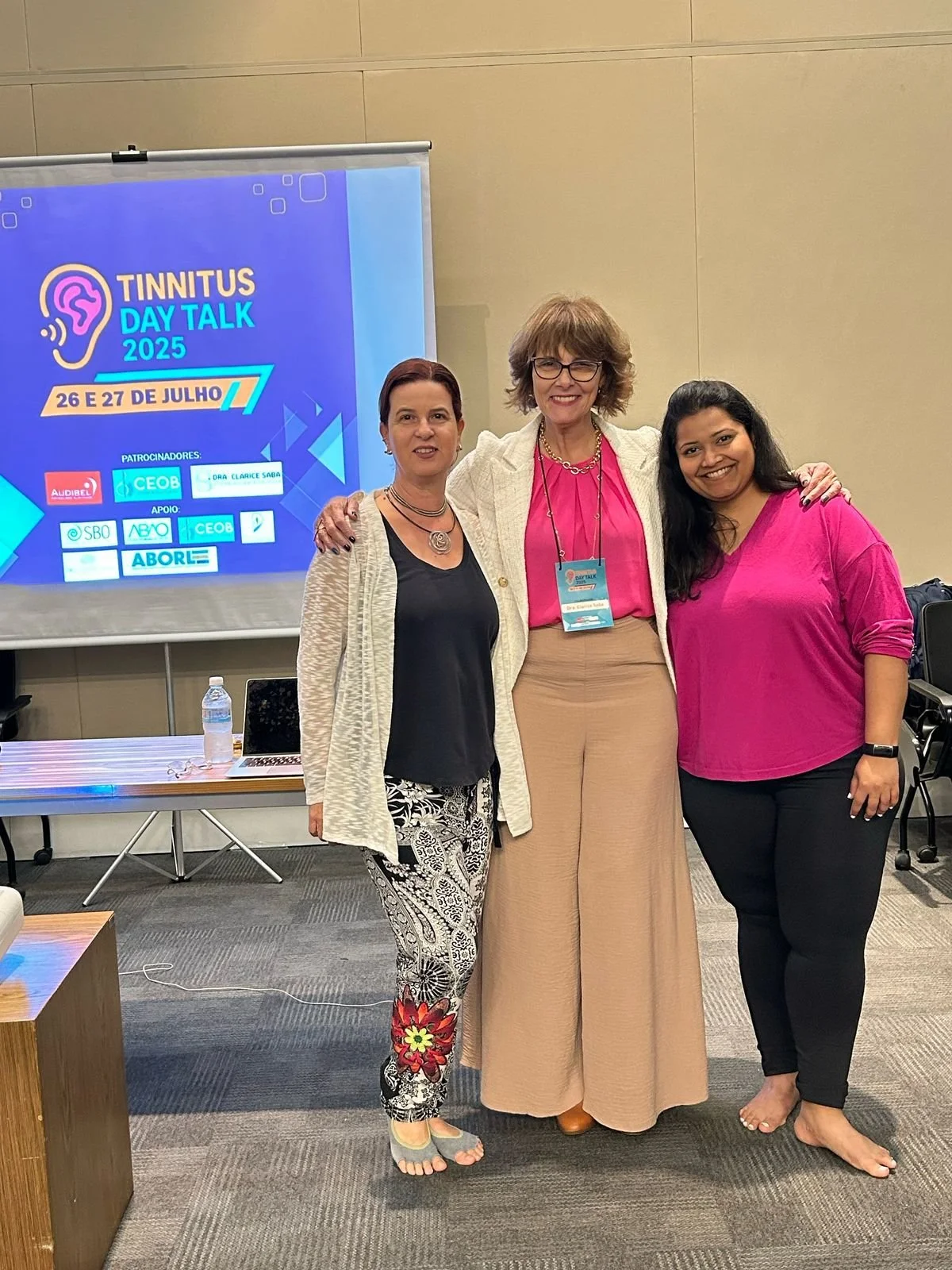
The Longitudinal Relationship Between Tinnitus and Cognitive Decline https://www.gbhi.org/projects/longitudinal-relationship-between-tinnitus-and-cognitive-decline
Tinnitus – Can the Experience of a Phantom Sound be Expressed Through Creative Movement? https://www.gbhi.org/news-publications/tinnitus-can-experience-phantom-sound-be-expressed-through-creative-movement
Auditory illusory models as proxies to investigate bottom-up and top-down neural networks of phantom perception https://pubmed.ncbi.nlm.nih.gov/40800848/
Unveiling the mind's ear: Understanding the science behind auditory processing using illusions https://pubmed.ncbi.nlm.nih.gov/40020557/
Adaptive and maladaptive neural compensatory consequences of sensory deprivation—From a phantom percept perspective https://www.sciencedirect.com/science/article/abs/pii/S0301008216301605
Chronic pain – A maladaptive compensation to unbalanced hierarchical predictive processing https://www.sciencedirect.com/science/article/pii/S1053811924002052
Namaste from India: “Reaching the Unreached” in Dementia and Brain Health https://www.gbhi.org/news-publications/namaste-india-reaching-unreached-dementia-and-brain-health
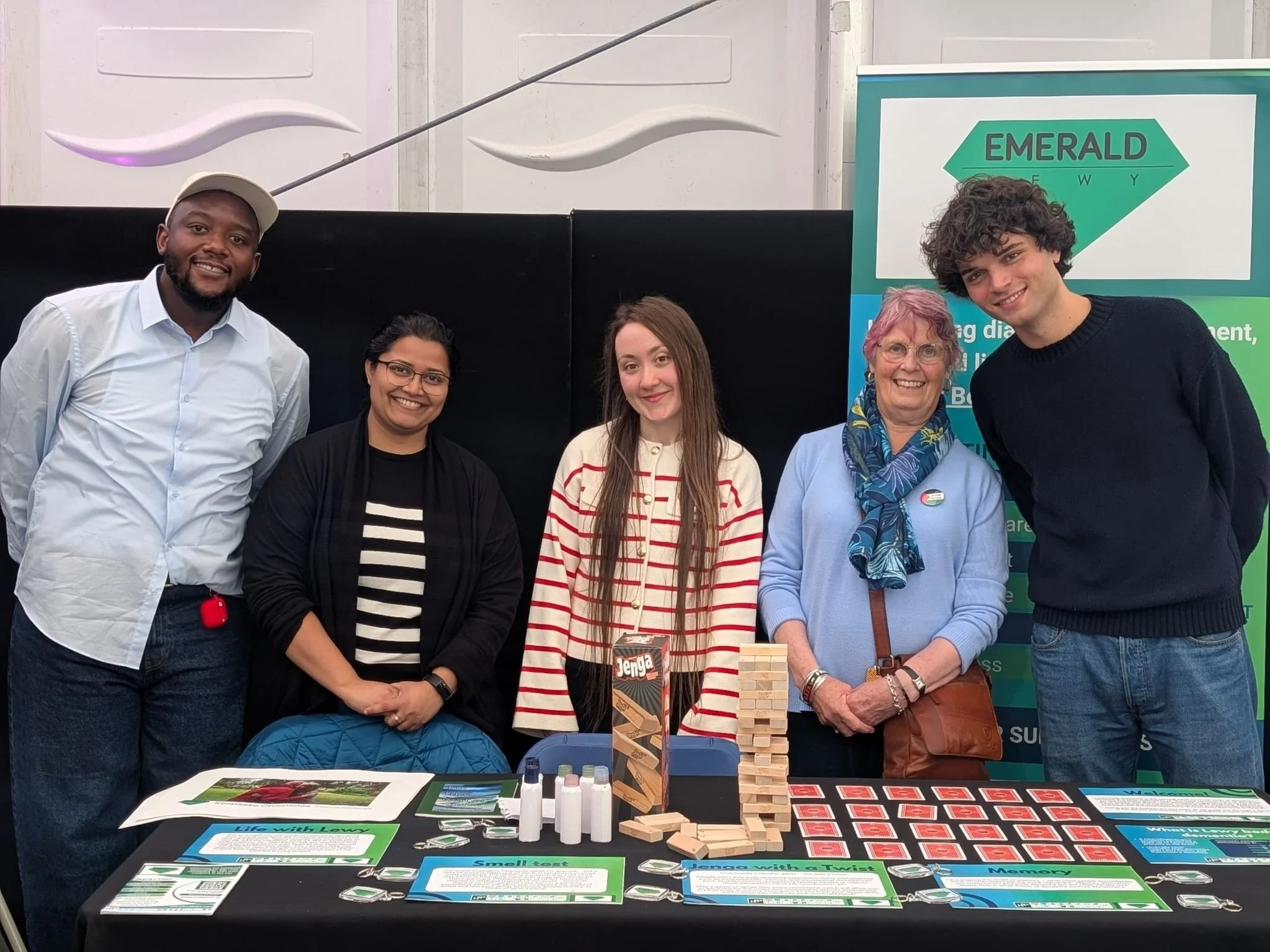
EMERALD-Lewy Research Program to Address Gaps in Diagnosis and Care https://www.gbhi.org/news-publications/emerald-lewy-research-program-address-gaps-diagnosis-and-care
Facebook Group for Lewy Community Ireland https://www.facebook.com/share/g/1AcWbfqs9e/?mibextid=wwXIfr
This episode of Dancing into Brain Health was edited and produced by me, Magda Kaczmarska and Hilary Brown-Istrefi. The music for this show is the title cut from the album, Critical Path by Joe Venegoni and Carl Weingarten.
ABOUT DANCING INTO BRAIN HEALTH PODCAST
Join host Magda Kaczmarska, dancer, researcher, Atlantic Fellow for Equity in Brain Health and executive director of arts and health nonprofit, DanceStream Projects, in uncovering the interconnections of dance, brain health and community. Each episode Magda brings together leading researchers, artists, advocates and thought leaders to illuminate the magical interconnections of dance and brain health and explore their influence on all aspects of our lives.
* New Episodes every month! *
Follow us on IG: @ dancestream_projects or email us at: magda@dancestreamprojects.com